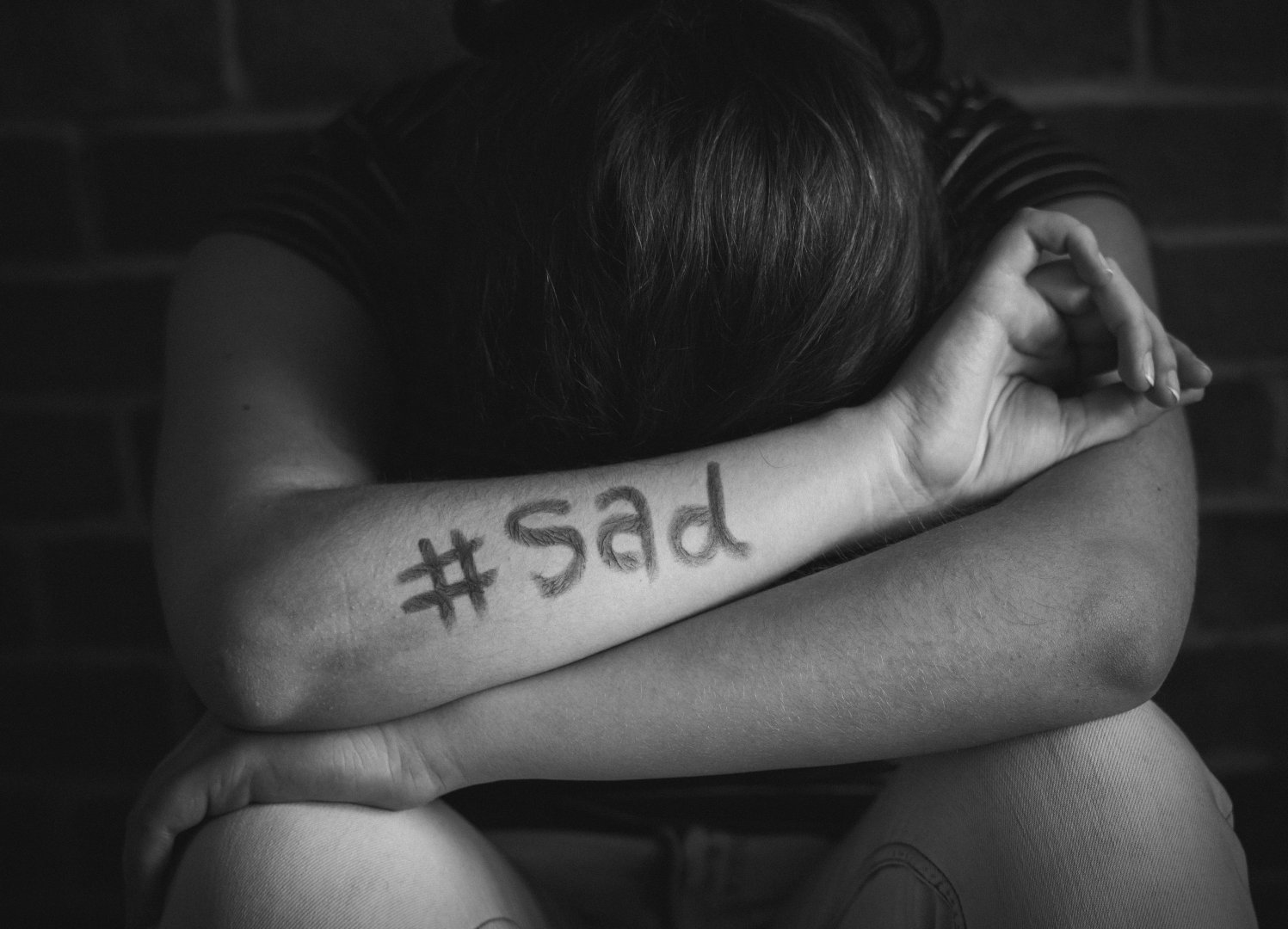

The South African Depression and Anxiety Group (SADAG) reports that depression affects an estimated 4,5 million South Africans, equating to 1 in 10 people. Many people are in denial about depression because they perceive it as being weak. Around 70% of people who have attempted suicide have a mental health disorder, most commonly that mental health disorder is depression.
Adjustment issues are some of the issues feeding into depression, where young people feel that previous life experience has not equipped them to deal with their "new norm", struggling with acceptance and fitting in. For young people who have not developed problem-solving and life skills and are struggling with other issues from adolescence, it can lead to suicide.
Those who reach out for a qualified professional help may struggle to get it as General Practitioners fail to detect between 33 and 50% of depressive disorders in patients presenting them. Poor implementation of psychological interventions to address the challenges that students face also contributes the pre-existing issues not being resolved. Studies have found that almost half of suicidal youths report some kind of medical treatment in the months prior to committing suicide, very few professionals pick up the warning signs.
Statistically, 90% of varsity suicide cases have a psychiatric diagnosis - depression, combined with alcohol or substance abuse is the most common diagnosis, but victims can also suffer from schizophrenia or personality disorders. Other warning signs include individuals having made previous attempts at suicide, having access to firearms, and having recently experienced a negative life event, recent disappointment, or the individual being involved in some sort of trouble.
In the context of universities, suicide is the second leading cause of death among students, after accidents. Varsity life involves a number of additional pressures on the student; coping with greater academic demands, loss of social family relations, increased financial responsibilities and heightened awareness of sexual identity and orientation. Students also bring unresolved problems with them into their new environments and many young people who struggle with bullying suffer in silence. Technological advancement has seen the birth and rise of “Cyber bullying”. This type of bullying is rife among the youth and is particularly harmful as it spreads in seconds.
Suicidal persona’s and tendencies differ between students and non-students. Varsity students display different personality traits to non-students who commit suicide. Non-student who commit suicide tend to have high risk-taking personalities, frequently use drugs and alcohol. By contrast, varsity students who are at risk are largely depressed, quiet, socially isolated young people who do not abuse alcohol or drugs and draw little attention to themselves. For them, death is seen as comforting and as an escape from their depression. A noted finding is that student suicide is more prevalent among students who take more than 4 years to complete their degree. Varsity women attempt suicide more frequently than men do, but varsity men succeed in ending their lives more often. Cultural beliefs around masculinity are a major contributor to fuelling myths and stigma around depression. This can lead to suicidal behaviour as men are still raised not to express emotions. Many are unable to escape their depression and find an escape in alcohol and/ or recreational drugs. Others rely on endorphin dependent behaviours such as excessive workouts at the gym or becoming workaholics.
Depression is a treatable and manageable condition. In less severe cases, family members should be involved to provide support; professionals should try decrease the risk of prescribing strong medication that is non-lethal in overdose and increasing contact with the patient. Short crisis orientated psychotherapy that involves the family has been found to be particularly useful.
If you are need of help, or know somebody who is, contact the National Suicide Crisis Line on 0800 567 567. Lifeline can be reached on 0861 322 322. Universities have Student Counselling Services for students and staff onsite; who want or need contact sessions. Durban campuses Student Counselling services and offices can be reached on:
Durban University of Technology - 031 373 2266
University of KwaZulu Natal:
Edgewood Campus - 031 260 3653/ 3532
Howard College - 031 260 2668
Nelson R Mandela Medical School - 031 260 4595